
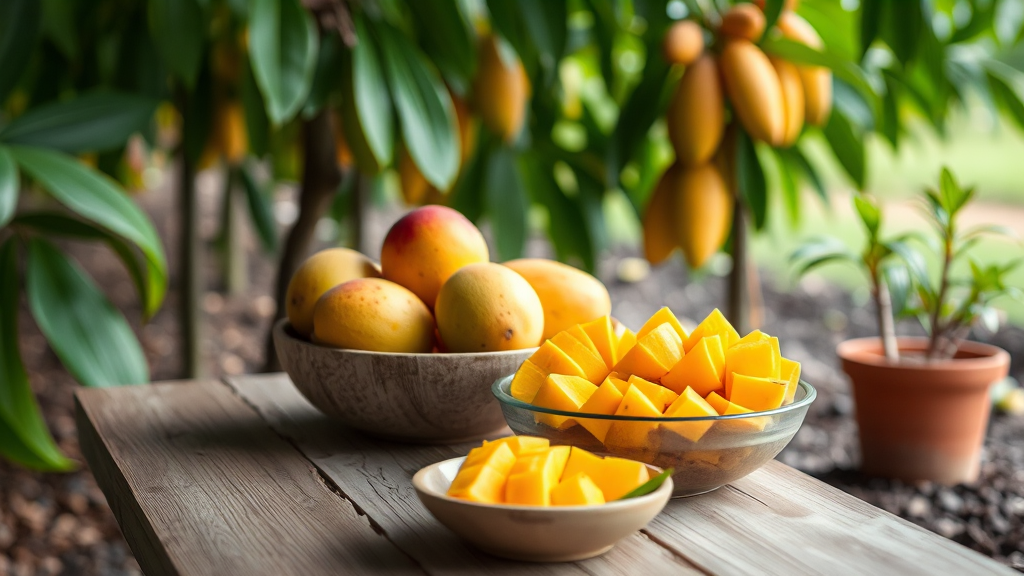
Mango Recipes Health Benefits and Growing Tips: A Tropical Guide for Every Season
Mangoes are more than just a sweet summer treat—they are a culinary treasure, a nutritional powerhouse, and a rewarding plant to grow at home. Whether you are a home cook looking for fresh recipe ideas, a health-conscious eater seeking natural wellness, or a gardening enthusiast eager to cultivate your own tree, this comprehensive guide covers Mango Recipes Health Benefits and Growing Tips in one place. From the orchard to the kitchen, let’s uncover why the mango deserves its title as the “king of fruits.”
Why Mangoes Deserve a Place in Your Daily Diet
Mangoes are not only delicious but also packed with essential nutrients. A single cup of sliced mango provides about 60% of your daily vitamin C needs, along with significant amounts of vitamin A, folate, and dietary fiber. These nutrients support immune function, eye health, and digestion. The fruit also contains enzymes like amylase, which help break down carbohydrates and ease bloating. Including mango in your diet can be a simple yet powerful step toward better health.
Top Mango Health Benefits You Should Know
Beyond their sweet taste, mangoes offer a wide range of health benefits that are backed by both traditional wisdom and modern science. Here are some of the most notable:
1. Boosts Immunity
The high levels of vitamin C and beta-carotene in mangoes strengthen the immune system, helping your body fight off infections and reduce the severity of colds and flu.
2. Supports Heart Health
Mangoes contain potassium and magnesium, which help regulate blood pressure and maintain a healthy heartbeat. The fiber in mangoes also lowers LDL (bad) cholesterol, reducing the risk of heart disease.
3. Improves Digestion
The enzymes and fiber in mangoes promote regular bowel movements and support a healthy gut microbiome. Eating mangoes with meals can aid in nutrient absorption and reduce constipation.
4. Enhances Skin and Hair
Vitamin A and vitamin C in mangoes contribute to collagen production, keeping skin firm and youthful. The antioxidants protect against UV damage and environmental pollutants, while the vitamins nourish hair follicles.
5. Aids in Weight Management
Despite being sweet, mangoes are relatively low in calories (about 100 calories per cup) and high in water and fiber, which helps you feel full longer and curbs unhealthy cravings.
Delicious Mango Recipes for Every Meal
Now that you know the health perks, let’s get into the kitchen. These mango recipes are simple, nutritious, and perfect for any time of day.
1. Mango Overnight Oats
Start your morning with a tropical twist. Combine rolled oats, almond milk, chia seeds, and diced mango in a jar. Refrigerate overnight, then top with shredded coconut and a drizzle of honey. This no-cook breakfast is rich in fiber and protein, keeping you energized all morning.
2. Mango Avocado Salad
For a refreshing lunch, toss fresh mango cubes with creamy avocado, red onion, cilantro, and a lime vinaigrette. The healthy fats from avocado pair perfectly with the sweetness of mango, while the lime adds a tangy kick. Serve over a bed of greens for extra crunch.
3. Grilled Mango Chicken
Marinate chicken breasts in a blend of mango puree, garlic, ginger, and soy sauce for at least 30 minutes. Grill until the chicken is juicy and caramelized. The natural sugars in mango create a beautiful glaze, and the fruit’s enzymes tenderize the meat. Pair with steamed jasmine rice for a complete meal.
4. Mango Smoothie Bowl
Blend frozen mango, banana, and coconut milk until thick and creamy. Pour into a bowl and top with granola, sliced kiwi, and a sprinkle of hemp seeds. This vibrant bowl is packed with vitamins and makes a satisfying post-workout snack.
5. Mango Coconut Rice Pudding
For dessert, simmer cooked rice with coconut milk, sugar, and vanilla until thick. Fold in fresh mango chunks and chill before serving. This creamy pudding is a dairy-free take on a classic, offering a tropical finish to any meal.
Growing Mango Trees: From Seed to Fruit
If you’ve ever dreamed of picking mangoes from your own backyard, you’re in luck. Mango trees can be grown in containers or in the ground, depending on your climate. Here are essential tips to get started.
1. Choosing the Right Variety
Select a mango variety that suits your local climate. For cooler regions, choose dwarf varieties like ‘Palmer’ or ‘Carrie’ that can be grown in pots. In tropical or subtropical areas, you can opt for larger cultivars like ‘Tommy Atkins’ or ‘Kent’.
2. Planting Your Mango Tree
Mango trees prefer well-draining soil with a pH between 5.5 and 7.5. Plant the tree in a sunny spot with at least 6 hours of direct sunlight daily. Dig a hole twice as wide as the root ball, place the tree, and backfill with a mix of soil and compost. Water deeply after planting.
3. Watering and Fertilizing
Young mango trees need regular watering, but once established, they are drought-tolerant. Water every 2-3 days during the first year, then reduce frequency. Fertilize with a balanced fertilizer (10-10-10) every 2-3 months during the growing season. Avoid over-fertilizing, as it can reduce fruit production.
4. Pruning and Maintenance
Prune your mango tree in late winter to remove dead branches and shape the canopy. This improves air circulation and sunlight penetration, which helps prevent fungal diseases. Remove any fruit that appears in the first two years to encourage strong root development.
5. Pest and Disease Management
Watch for common pests like aphids, scale, and fruit flies. Use neem oil or insecticidal soap to control infestations. Fungal diseases like anthracnose can be prevented by applying copper-based fungicides during flowering. Keep the area around the tree clean to reduce hiding spots for pests.
Common Mistakes When Growing Mangoes and How to Avoid Them
Many gardeners struggle with mango trees due to a few common pitfalls. Here’s how to sidestep them:
- Overwatering: Mango roots are sensitive to waterlogging. Always let the top inch of soil dry out before watering again.
- Insufficient Sunlight: Without full sun, mango trees become leggy and produce fewer fruits. Ensure your tree gets at least 8 hours of direct light.
- Wrong Soil pH: If the soil is too alkaline, the tree may develop nutrient deficiencies. Test your soil and add sulfur or peat moss if needed.
- Harvesting Too Early: Mangoes don’t ripen well on the counter if picked too green. Wait until the fruit changes color and gives slightly to pressure before harvesting.
Frequently Asked Questions
1. Can I grow a mango tree indoors?
Yes, you can grow a dwarf mango tree indoors in a large pot, provided it gets plenty of sunlight (south-facing window) and you pollinate the flowers manually with a small brush. Keep the soil moist but not soggy.
2. How long does it take for a mango tree to bear fruit?
Grafted mango trees typically produce fruit within 3-4 years, while trees grown from seed may take 5-8 years or longer. Patience and proper care are key.
3. What is the best way to ripen a mango at home?
Place the mango in a paper bag at room temperature. Adding an apple or banana speeds up ripening due to ethylene gas. Once ripe, store it in the refrigerator to slow further ripening.
4. Are mangoes safe for people with diabetes?
Mangoes have a moderate glycemic index, but portion control is important. Pairing mango with a source of protein or healthy fat can help stabilize blood sugar. Consult your doctor for personalized advice.
5. What are some creative ways to use mango beyond recipes?
Mango can be used in smoothies, salsas, chutneys, and even as a natural meat tenderizer. You can also freeze mango cubes for a refreshing snack or add puree to yogurt for a healthy twist.
Conclusion
Mangoes are truly a gift of nature—delicious, nutritious, and versatile. Whether you’re exploring new mango recipes, reaping their health benefits, or nurturing a mango tree from a tiny seed, there is always something to learn and enjoy. For more in-depth guides, seasonal recipes, and a soil calculator to help you plant the perfect mango tree, visit Mango Recipes Health Benefits and Growing Tips. Start your mango journey today, and let this golden fruit brighten your table and your garden.
Readers who are interested in this topic will benefit from exploring multiple perspectives and understanding the nuanced approaches that industry leaders recommend. Taking time to research thoroughly ensures better outcomes and more informed decision-making.
Those looking to gain deeper knowledge in this area should consider following expert analysis, staying updated with the latest developments, and engaging with professional communities where these topics are discussed in detail.
A comprehensive understanding of this subject requires looking at both theoretical foundations and practical applications. By combining study with hands-on experience, learners can develop a well-rounded perspective that serves them well in real-world scenarios.
As the landscape continues to shift and evolve, staying informed about emerging trends and best practices becomes increasingly valuable. This ensures you remain competitive and capable of adapting to new challenges as they arise.